


If you are experiencing a mental health crisis or suicidal thoughts:
Lifeline: 13 11 14 (24/7) | Beyond Blue: 1300 22 4636 (24/7) | Emergency: 000
Please reach out. These services are free, confidential, and available 24 hours a day.
What Is Prozac? — Fluoxetine Prozac Australia
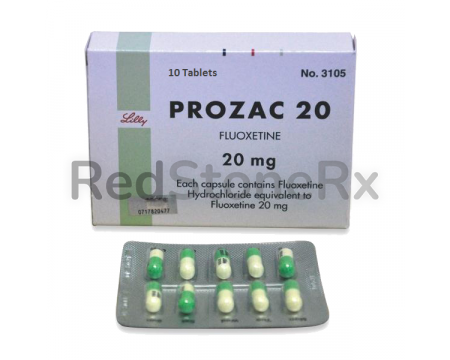
What's Prozac (whats prozac)? Prozac is the internationally recognised brand name for fluoxetine hydrochloride — a selective serotonin reuptake inhibitor (SSRI) antidepressant developed by Eli Lilly and first approved in the 1980s. Prozac medication became the world's first widely prescribed SSRI and remains one of the most studied psychiatric medicines in existence. In Australia, fluoxetine (Prozac) is prescribed for major depression, obsessive-compulsive disorder (OCD), panic disorder, bulimia nervosa, and premenstrual dysphoric disorder (PMDD).
The question "what is Prozac" encompasses both the medication and its cultural significance. The name Prozac entered popular consciousness through the 1994 book and 2001 film Prozac Nation (starring Christina Ricci — not to be confused with the cast of other films), which explored antidepressant use and depression. Today, Prozac medication is one of the most prescribed antidepressants globally, with well-established efficacy and a long safety record.
Is fluoxetine Prozac? Yes — fluoxetine is the generic (active ingredient) name; Prozac is the brand name. When an Australian GP prescribes "fluoxetine", they are prescribing the same molecule as Prozac. Is Zactin the same as Prozac? Yes — Zactin is another Australian brand name for fluoxetine. Is Fluotex the same as Prozac? Yes — Fluotex is also a fluoxetine brand available in Australia. All contain the same active ingredient at the same dosage.
What Does Prozac Do? — SSRI Mechanism
Fluoxetine (Prozac) works by selectively inhibiting the reuptake of serotonin into presynaptic neurons. In the normal brain, after serotonin is released into the synapse (the gap between neurons), a transporter protein (SERT) rapidly recycles it back into the releasing neuron. Fluoxetine blocks this SERT transporter, leaving serotonin in the synaptic cleft for longer — increasing its availability to act on postsynaptic serotonin receptors.
Serotonin (5-HT) is a neurotransmitter involved in regulating mood, anxiety, sleep, appetite, and impulse control. In depression and anxiety disorders, serotonin signalling is dysregulated. By increasing synaptic serotonin availability over time, fluoxetine gradually normalises these signalling pathways — producing antidepressant and anxiolytic effects. The word "selectively" is important: unlike older tricyclic antidepressants, SSRIs like fluoxetine do not significantly affect noradrenaline, dopamine, histamine, or acetylcholine receptors, which is why they have fewer sedating and cardiac side effects.
What Does Prozac Feel Like When It Starts Working?
One of the most commonly searched questions about Prozac is what it actually feels like — and the answer depends on which symptoms are being treated and at what timepoint in treatment. Here is a realistic week-by-week guide:
| Prozac week by week side effects | What patients typically report | Clinical explanation |
|---|---|---|
| Weeks 1–2 | Possible nausea, headache, increased anxiety initially. Some patients notice better sleep or slightly less fatigue. | SERT blockade begins immediately. Transient increase in synaptic serotonin initially activates anxiety pathways before receptor desensitisation occurs. |
| Weeks 2–4 | Sleep often improves. Some patients report feeling "less emotionally flat." Anxiety may improve before mood. | Postsynaptic receptor downregulation begins. Initial side effects often improve. Subtle mood shifts beginning. |
| Weeks 4–6 | Mood begins to lift more clearly. More motivation and interest in activities. Many patients notice reduced rumination. | Full receptor adaptation achieved. Neuroplastic changes (BDNF) contributing to sustained response. |
| Weeks 6–8+ | Most patients experience the medication's full antidepressant effect by this point. Response to anxiety disorders may take longer. | Full antidepressant effect requires 4–8 weeks minimum. OCD and anxiety disorders may take 8–12 weeks. |
Is Prozac Available in Australia? — Fluoxetine Availability
Yes — fluoxetine (Prozac) is fully available in Australia as a prescription medicine. The Prozac brand specifically is not listed on Australia's ARTG (the original Prozac brand by Eli Lilly), but generic fluoxetine is widely available at all Australian pharmacies including Chemist Warehouse. Generic fluoxetine brands available in Australia include:
- Lovan (fluoxetine 20mg — one of the most common Australian brands)
- Apo-Fluoxetine (Apotex — available at Chemist Warehouse)
- Fluoxetine Generic Health
- Fluohexal
- Zactin — Australian brand name for fluoxetine. Is Zactin the same as Prozac? Yes — same active ingredient.
- Fluotex — is Fluotex the same as Prozac? Yes — another Australian fluoxetine brand.
Prozac Dosage — Standard and Condition-Specific
| Condition | Starting dose | Therapeutic dose | Max dose |
|---|---|---|---|
| Major depression | 20mg once daily (morning) | 20–40mg daily | 60mg/day |
| OCD | 20mg once daily | 40–60mg daily | 60–80mg/day (specialist) |
| Panic disorder | 10mg once daily — start lower to avoid initial anxiety spike | 20–40mg daily | 60mg/day |
| Bulimia nervosa | 20mg once daily | 60mg daily — higher dose than depression | 60mg/day |
| PMDD | 20mg daily (continuous or luteal phase) | 20mg daily | 60mg/day |
| Elderly patients | 10–20mg daily | 20mg daily | Reduce — slower metabolism |
Prozac dose should always be determined by your GP or psychiatrist. Do not adjust your dose without medical advice. The dose for panic disorder is intentionally started lower than for depression — starting at 20mg can temporarily worsen anxiety in susceptible patients.
How Long Does Prozac Take to Work?
This is one of the most important questions for patients starting Prozac. The full antidepressant effect of fluoxetine takes 4–8 weeks of consistent daily dosing. This delay — the same for all SSRIs — is a critical point that many patients misunderstand, leading to premature discontinuation.
The mechanism of this delay: although SERT blockade (the immediate pharmacological action) begins within hours of the first dose, the therapeutic effect requires weeks of neuroadaptation — including postsynaptic receptor downregulation, increased BDNF (brain-derived neurotrophic factor) expression, and neuroplastic changes in the prefrontal cortex and hippocampus. These processes take time regardless of the dose taken.
- Sleep, energy, and appetite often improve first — sometimes within 1–2 weeks
- Mood, motivation, and emotional blunting typically improve later — weeks 3–6
- OCD symptoms may take 8–12 weeks for full response
- Panic disorder: initial anxiety may temporarily worsen in week 1–2 before improving
Prozac Side Effects — Week by Week and Long-Term
Common Prozac side effects in early treatment (weeks 1–4):
- Nausea — most common; usually resolves within 2 weeks. Take with food to reduce
- Headache
- Insomnia or sleep disturbances — take dose in the morning to minimise
- Initial increase in anxiety or agitation — particularly in panic disorder patients
- Dry mouth
- Reduced appetite (weight loss is possible early in treatment)
- Diarrhoea or GI upset
- Sexual side effects — reduced libido, delayed orgasm (common to all SSRIs; discuss with GP)
Prozac Side Effects in Females — What to Know
Prozac side effects in females include all the above plus specific considerations: menstrual cycle irregularities (uncommon), potential interactions with oral contraceptives (fluoxetine inhibits CYP2C19 which metabolises some OCPs — discuss with GP), and sexual side effects which are reported slightly more commonly in women. PMDD (premenstrual dysphoric disorder) is a TGA-approved indication for fluoxetine, meaning it can be prescribed specifically for cycle-related mood symptoms, either continuously or for the luteal phase only.
Does Prozac Cause Weight Gain?
Prozac weight gain is a nuanced topic. The relationship between Prozac and weight is biphasic:
- Short-term (weeks 1–12): Fluoxetine typically causes weight loss or weight neutrality — reduced appetite is common, and some patients lose 1–3kg in the first 3 months
- Long-term (beyond 6 months): Some patients experience gradual weight gain — estimated 1–3kg over 12 months in susceptible individuals. This is less than other SSRIs (paroxetine/Paxil has the highest weight gain risk) but does occur in a subset of patients
Prozac weight loss is more commonly reported early; prozac weight gain is a long-term concern for some patients. If weight change is a concern, discuss with your GP — lifestyle factors and the treatment duration are both relevant.
Does Prozac Cause Acne?
Some patients report skin changes on fluoxetine. Does Prozac cause acne? Skin reactions including rash, sweating, and rarely acne-like eruptions are listed as uncommon side effects. The mechanism is thought to involve serotonin's effects on sebaceous gland function. This is uncommon but reported — if significant acne develops after starting Prozac, discuss with your GP or a dermatologist.
- Suicidal thoughts or self-harm ideation — particularly in the first 4 weeks of treatment or after dose changes. Call Lifeline: 13 11 14. Go to your nearest emergency department if risk is immediate.
- Serotonin syndrome — agitation, confusion, rapid heart rate, high temperature, muscle rigidity, tremor. Can be life-threatening. Call 000 immediately.
- Severe allergic reaction — rash, facial swelling, breathing difficulty
- Mania or hypomania — if you have undiagnosed bipolar disorder, SSRIs can trigger a manic episode
- Seizures (rare)
Prozac and Alcohol — What Australian Patients Must Know
The interaction between Prozac (fluoxetine) and alcohol is a frequently searched topic — and for good reason. Understanding the risks is important for Australian patients.
Can Prozac and alcohol kill you? The combination of fluoxetine and heavy alcohol consumption carries serious risks, though the mechanism is not a direct lethal pharmacological interaction in the way that nitrates + Viagra is. The dangers are:
- Additive CNS depression — both alcohol and fluoxetine affect the CNS. Alcohol is a depressant; combining with Prozac increases sedation, impairs coordination and judgement, and can increase falls risk
- Worsening depression — alcohol is a CNS depressant that undermines antidepressant treatment. Regular alcohol use significantly reduces Prozac's effectiveness
- Increased suicidal ideation risk — alcohol disinhibits impulse control. In patients with depression being treated with Prozac, alcohol consumption — even moderate amounts — increases the risk of suicidal thoughts and impulsive self-harm. This is the most clinically serious concern.
- Impaired judgement about taking the medication — drinking may cause missed doses or double doses
Prozac Withdrawal Symptoms — The Long Half-Life Advantage
Fluoxetine has the longest half-life of any SSRI — parent compound 1–4 days, active metabolite norfluoxetine 4–16 days. This unusually long half-life means that Prozac withdrawal symptoms are generally milder than withdrawal from shorter-acting SSRIs like paroxetine (Paxil) or venlafaxine.
Is Prozac addictive? No — fluoxetine does not cause physiological dependence or addiction in the pharmacological sense. There is no drug-seeking behaviour, tolerance, or euphoria. However, discontinuation symptoms can occur when stopping suddenly, including:
- Flu-like symptoms (muscle aches, sweating, chills)
- "Brain zaps" — brief electric shock-like sensations in the head (less common with fluoxetine than other SSRIs due to long half-life)
- Dizziness and nausea
- Irritability, anxiety, mood changes
- Sleep disturbances
Due to the long half-life of norfluoxetine (up to 16 days), fluoxetine effectively "tapers itself" when stopped — which is why Prozac withdrawal is usually mild compared to other antidepressants. Your GP may still recommend a gradual dose reduction over several weeks for longer-term use.
Prozac vs Zoloft vs Lexapro — SSRI Comparison for Australian Patients
Three of the most commonly prescribed SSRIs in Australia are fluoxetine (Prozac), sertraline (Zoloft), and escitalopram (Lexapro). Understanding the differences helps inform GP conversations about which is most suitable.
| Parameter | Prozac (Fluoxetine) | Zoloft (Sertraline) | Lexapro (Escitalopram) |
|---|---|---|---|
| Prozac half-life / half-life comparison | 1–4 days (norfluoxetine: 4–16 days) — longest | 26 hours | 27–32 hours |
| Withdrawal severity | Mild — long half-life | Moderate | Mild–moderate |
| Weight gain risk | Lowest of three | Moderate | Moderate |
| Drug interactions | More — CYP2D6/2C19 inhibitor | Moderate | Fewest |
| Anxiety treatment | Yes — also for panic disorder | First-line — especially PTSD, social anxiety | Excellent for generalised anxiety |
| Specific indications | Bulimia nervosa, PMDD (unique) | PTSD, social anxiety | GAD specifically approved |
| How long to work | 4–8 weeks | 4–6 weeks | 2–4 weeks (often faster) |
| PBS-listed in Australia? | Yes | Yes | Yes |
| Prozac vs Zoloft / Zoloft vs Prozac | Prozac: milder withdrawal, bulimia approved, more drug interactions | Zoloft: better for PTSD/social anxiety, fewer drug interactions, shorter half-life | Lexapro: fewest interactions, often faster onset, GAD approved |
Prozac vs Lexapro / Lexapro vs Prozac: Escitalopram (Lexapro) is often preferred for patients with multiple medications due to fewer CYP enzyme interactions. Fluoxetine is preferred when bulimia nervosa or PMDD are also being treated. Prozac vs Zoloft: Sertraline is generally first-line for PTSD and social anxiety in Australian guidelines; fluoxetine is an alternative with the advantage of milder withdrawal.
Is Prozac Good for Anxiety?
Yes — Prozac is good for anxiety, including several specific anxiety disorders. Fluoxetine is TGA-approved and used in Australian practice for:
- Panic disorder — TGA-approved. Start at 10mg to avoid initial anxiety worsening
- OCD (obsessive-compulsive disorder) — TGA-approved, often requires higher doses (40–60mg)
- Social anxiety disorder — used off-label; sertraline typically preferred as first-line
- PTSD — used off-label; sertraline and paroxetine are more commonly first-line in Australia
- Generalised anxiety disorder (GAD) — used; escitalopram/Lexapro may be preferred for GAD specifically
The key point: all SSRIs have some anxiolytic (anxiety-reducing) effect. Prozac for anxiety is appropriate and frequently prescribed — but the specific anxiety disorder matters when choosing between SSRIs.
Prozac Nation — Film and Book
Prozac Nation is both a 1994 memoir by Elizabeth Wurtzel and a 2001 film adaptation starring Christina Ricci as the lead character, Elizabeth Wurtzel. The cast of Prozac Nation also includes Jessica Lange, Anne Heche, and Jason Biggs. The book and film explore one young woman's experience of severe depression and her treatment with Prozac in the 1980s — a period when SSRIs were new and controversial. Prozac Nation had significant cultural impact, bringing mental health and antidepressant use into mainstream public conversation. It is not a medical guide to fluoxetine therapy, but remains an important cultural document about depression and its treatment.
Prozac for Dogs — Best Time of Day
Fluoxetine is also prescribed by veterinarians for dogs with anxiety disorders, compulsive behaviours, and aggression. Best time of day to give dog Prozac: Most veterinary guidelines recommend giving fluoxetine to dogs in the morning with food. This aligns with the medication's mild activating effects and reduces the chance of night-time restlessness. The dose, timing, and duration for dogs should be determined entirely by your veterinarian — human formulations should not be used in animals without veterinary direction.
Prozac Overdose — Safety Information
If you are having thoughts of self-harm or suicide, please reach out now: Lifeline: 13 11 14 | Beyond Blue: 1300 22 4636 | Crisis support is available 24 hours a day.
Drug Interactions — Prozac (Fluoxetine)
Fluoxetine is a significant inhibitor of CYP2D6 and CYP2C19 liver enzymes — meaning it affects the metabolism of many other medications. Always inform your GP and pharmacist of all medicines you take.
| Drug class / medicine | Interaction | Action |
|---|---|---|
| MAO inhibitors (phenelzine, tranylcypromine, moclobemide) | Serotonin syndrome — potentially fatal. Absolute contraindication | Do not combine. 14-day washout required when switching from MAOI to fluoxetine; 5-week washout from fluoxetine to MAOI |
| Tramadol, triptans, other serotonergics | Serotonin syndrome risk — additive serotonergic effects | Use with caution; inform GP |
| Pimozide | QT prolongation — cardiac arrhythmia risk. Absolute contraindication | Never combine |
| Warfarin | CYP2C9 inhibition increases warfarin levels — bleeding risk | Monitor INR more frequently when starting or stopping fluoxetine |
| Codeine, tramadol (CYP2D6 substrates) | Fluoxetine inhibits CYP2D6 — reduces conversion to active opioid metabolites, reducing pain relief; or increases levels of other CYP2D6 metabolised drugs | Inform GP of all pain medications |
| Tricyclic antidepressants (amitriptyline) | CYP2D6 inhibition increases TCA levels dramatically — toxicity risk | Avoid combination; consult psychiatrist |
| Lithium | Serotonin syndrome risk; lithium levels may be affected | Monitor lithium levels closely when used together |
| Alcohol | CNS depression, worsened mood, increased suicidal ideation risk (see alcohol section) | Avoid or significantly limit alcohol |
Getting a Prescription for Prozac in Australia
Frequently Asked Questions — Prozac Australia
What is Prozac used for?
Prozac (fluoxetine) is used for major depressive disorder (MDD), obsessive-compulsive disorder (OCD), panic disorder, bulimia nervosa, and premenstrual dysphoric disorder (PMDD). It is also used off-label for social anxiety disorder, PTSD, and other anxiety disorders. It is the only SSRI with a TGA-approved indication specifically for bulimia nervosa.
Is fluoxetine the same as Prozac? Is Zactin the same as Prozac? Is Fluotex the same as Prozac?
Yes to all three. Fluoxetine is the active ingredient; Prozac, Zactin, Fluotex, Lovan, and Apo-Fluoxetine are all brand names for the same molecule. All contain fluoxetine at the same dose with identical effects. In Australia, Lovan and Apo-Fluoxetine are the most commonly dispensed brands.
How long does Prozac take to work?
The full antidepressant effect of Prozac takes 4–8 weeks of consistent daily dosing. Some improvement in sleep, energy, and appetite may occur within 1–2 weeks. Do not stop taking Prozac in the first few weeks because you don't feel better immediately — this is a normal part of SSRI treatment timing. If you have concerns about your progress, speak with your GP.
Does Prozac cause weight gain?
Prozac (fluoxetine) has the lowest weight gain risk of the commonly prescribed SSRIs. In the short term, weight loss is more common. With long-term use (beyond 6 months), a minority of patients experience modest weight gain of 1–3kg. Compared to paroxetine (Paxil), which carries the highest SSRI weight gain risk, fluoxetine is significantly more weight-friendly.
Is Prozac available in Australia without prescription?
No — fluoxetine (Prozac) is a Schedule 4 Prescription Only Medicine in Australia. A valid prescription from a registered Australian GP or psychiatrist is required. Fluoxetine is PBS-listed, meaning the cost is significantly subsidised with a Medicare card. A telehealth GP consultation can provide an e-prescription for established patients.
Is Prozac addictive?
No — fluoxetine is not addictive. It does not cause dependence, tolerance, or drug-seeking behaviour. Prozac withdrawal symptoms (discontinuation syndrome) can occur if stopped suddenly, but are generally mild with fluoxetine due to its unusually long half-life. Always taper Prozac dose gradually under GP supervision rather than stopping abruptly.
Prozac reviews — does it work?
Fluoxetine has one of the most extensive evidence bases of any antidepressant — over 30 years of clinical use. Meta-analyses confirm efficacy superior to placebo for depression and OCD. Individual responses vary — some patients respond excellently to fluoxetine while others may respond better to sertraline (Zoloft) or escitalopram (Lexapro). If Prozac does not produce adequate response after 6–8 weeks at adequate dose, discuss alternatives with your GP or a psychiatrist.
This product page was reviewed by Dr. Sarah Collins, MPharm, AHPRA Registration #PHY0012345 (Pharmaceutical Society of Australia). Fluoxetine (Prozac) is a Schedule 4 Prescription Only Medicine in Australia — a valid prescription is required. This page provides general educational information and does not substitute for personalised medical advice. Always consult a registered healthcare professional before starting, changing, or stopping antidepressant medication. If you are experiencing suicidal thoughts or a mental health crisis: Lifeline 13 11 14 | Beyond Blue 1300 22 4636 | Emergency 000. RedstoneRX complies with all TGA and Poisons Standard requirements for the supply of Schedule 4 medicines in Australia.